World Class Textile Producer with Impeccable Quality
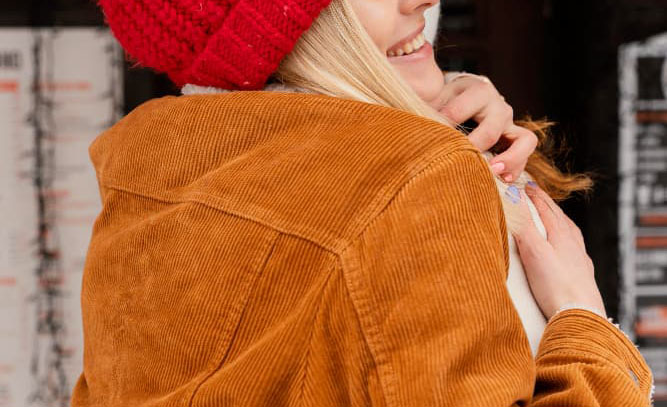
World Class Textile Producer with Impeccable Quality

Corduroy Fabric is a woven textile defined by its characteristic parallel ribs, or wales, which create a textured surface widely used in apparel and select industrial applications. Compared with flat-woven fabrics, corduroy adds dimensional structure to garments while providing reliable thermal retention and visual depth.
The global Corduroy Fabric market shows steady growth aligned with fashion cycles and diversified end uses. Industry data indicates that global revenue is projected to reach approximately USD 1.59 billion in 2025, up from USD 1.55 billion in 2024, reflecting a compound annual growth rate (CAGR) of around 2.8% over the long term.
Corduroy Fabric is a durable woven textile distinguished by its raised, lengthwise ribs—commonly referred to as wales—formed through a specialized weaving and cutting process. In answering what is corduroy fabric, it can be defined as a cut-pile fabric in which additional weft yarns are woven into the base cloth and then sheared to create a ribbed surface with a soft yet structured hand feel.
However, corduroy is not a singular product; it is a category defined by the "Wale Count"—the number of ridges per inch. This metric dictates the fabric's weight, drape, and appropriate application in garment manufacturing.
At the finest end of the spectrum lies Pinwale, also known as Needlecord. Featuring a high count of 16 to 21 wales per inch, this variety offers a finer, less textured appearance that mimics velvet. It is lightweight and highly pliable, making it the standard choice for manufacturing women’s shirts, children’s apparel, and lined dresses where reduced bulk is essential.
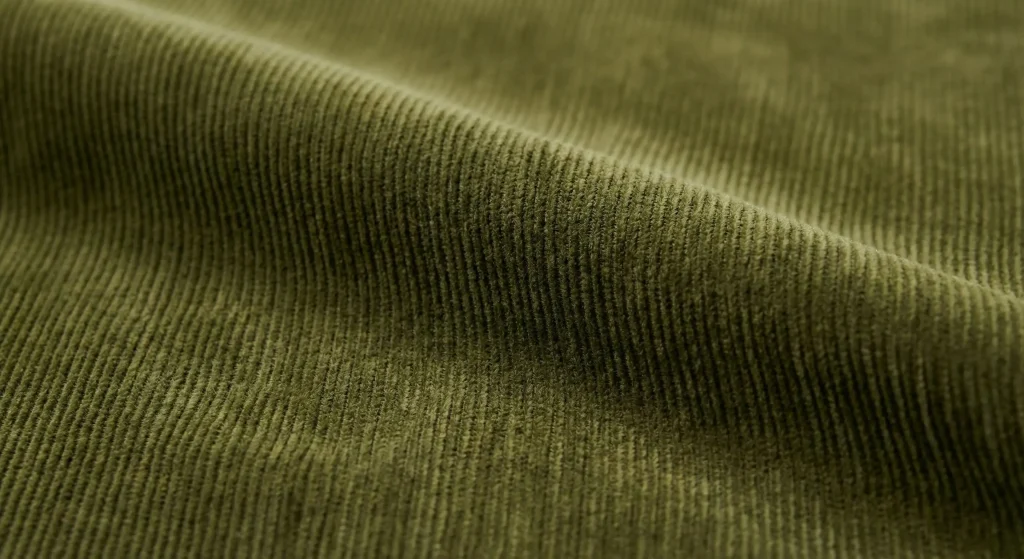
Standard corduroy typically ranges between 8 and 12 wales per inch. This is the most versatile specification, balancing durability with comfort, widely used for trousers and casual blazers. Moving to the heavier end, Wide Wale (often roughly 3 to 8 wales per inch) presents a bold, chunky aesthetic. This heavier weight is crucial for outerwear production, providing superior warmth and a rugged structure suitable for autumn and winter jackets.
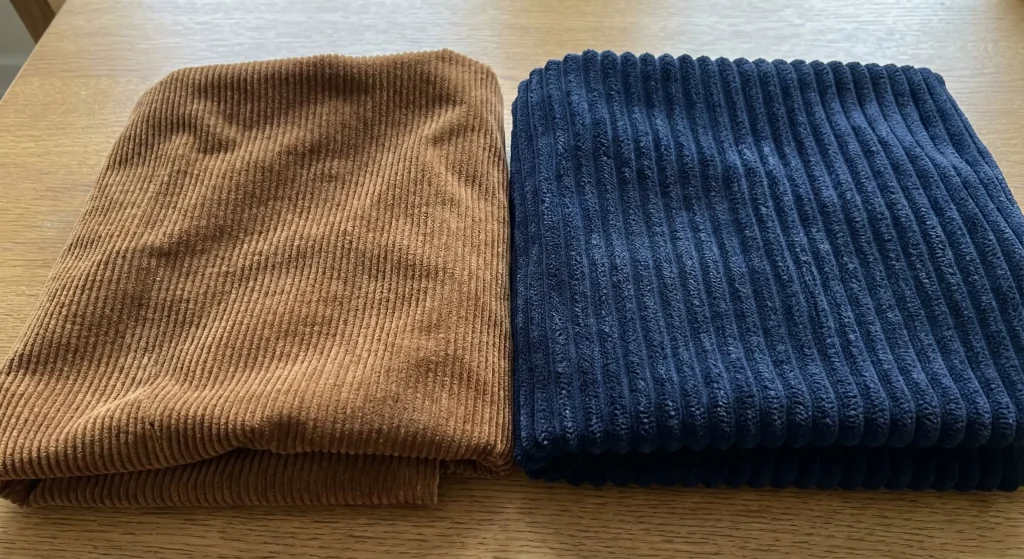
For specialized fashion lines, Elephant Cord features thick, broad ridges, sometimes as few as 1.5 to 3 wales per inch. While less common in mass-market basics, it is a key material for statement pieces and heavy-duty overcoats that require a distinct architectural shape.
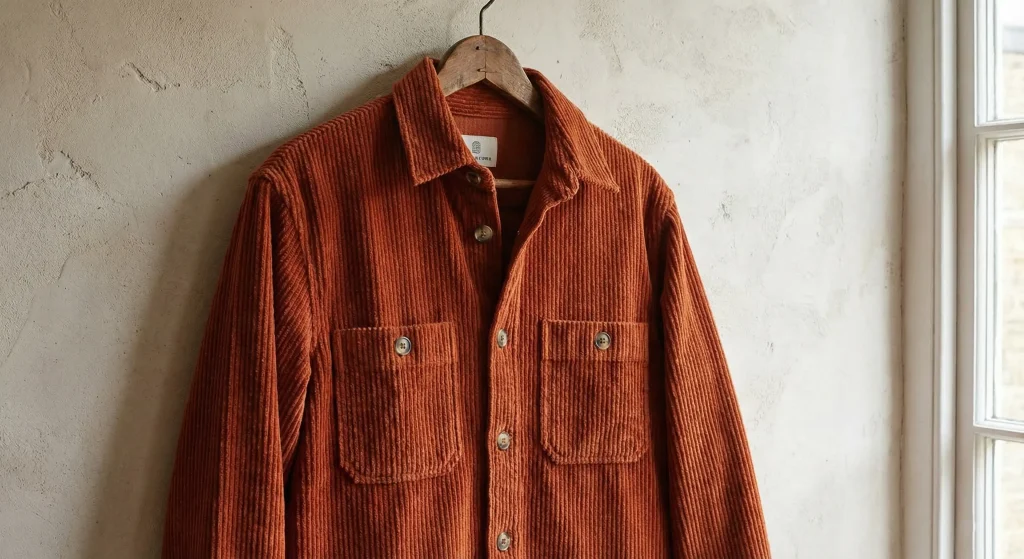
When examining what is corduroy fabric made of, the answer lies primarily in its fiber composition and layered construction. While traditional corduroy was woven almost exclusively from cotton, today’s supply chain offers a variety of fiber blends engineered for specific functional needs.
100% Cotton remains the premium standard for sourcing agents. All-cotton corduroy offers superior breathability and a distinctively soft "hand." It dyes exceptionally well, resulting in deep, rich colors.
In modern textile production, corduroy fabrics are increasingly produced using fiber blends to meet evolving performance and cost requirements. Cotton-polyester blends are among the most common, offering improved dimensional stability, reduced wrinkling, and enhanced durability during repeated wear and laundering. In certain garment categories, a small percentage of elastane (spandex) may also be incorporated to provide controlled stretch and improved wearer mobility, particularly for trousers and fitted silhouettes.
Beyond fiber content, corduroy’s material characteristics are also shaped by its weaving and finishing processes. The base fabric is typically a plain or twill weave, while additional weft yarns form the pile that is later cut to create the raised wales. Variations in yarn thickness, pile height, and wale density directly influence fabric weight, surface texture, and end-use performance.
Meanwhile, many clothing manufacturers are adopting products made from organic cotton, recycled polyester, or sustainably sourced fibers in consideration of sustainability. These products all meet the environmental standards commonly required by European and American apparel brands. These sustainable material adaptations allow corduroy to remain relevant in contemporary supply chains without altering its essential structural properties.
Corduroy Fabric has long been a popular choice in apparel manufacturing due to its unique texture, durability, and insulation properties. Its versatile nature makes it suitable for a wide range of garments, particularly in the cooler months, when its warmth and visual depth provide both functional and aesthetic value. As corduroy clothing manufacturers prepare for upcoming seasons, understanding the specific requirements for different garment types is essential. Corduroy is a staple in autumn-winter fabric trends, but its application varies significantly depending on the end product.
Corduroy is widely used in casual wear, particularly for trousers, jackets, and skirts. The fabric’s ability to offer both comfort and resilience makes it a preferred choice for workwear garments, including overalls and uniforms. Its abrasion resistance is key in ensuring that garments maintain their appearance and performance even under harsh conditions.
For outerwear, structure is paramount. When manufacturing corduroy jackets or blazers, particular attention must be paid to the "nap" (the direction of the pile). Unlike flat fabrics, corduroy reflects light differently depending on the pile direction. Experienced manufacturers typically cut patterns with the nap running upwards to achieve a richer, deeper color, though this increases fabric consumption. Furthermore, heavier wide-wale corduroy often requires specific lining materials to reduce friction and improve comfort for the wearer.
Durability is the primary metric for bottom-wear. The knees and seat areas of corduroy trousers are prone to "bald spots" if the pile retention is poor. For heavyweight garment production, such as workwear-inspired overalls or vintage-style pants, it is advisable to select fabrics with a higher density of backing yarns. Additionally, reinforcing high-stress seams is critical to prevent the fabric from tearing parallel to the wales.
For lighter garments, the focus shifts to drape. Using a standard 10-wale corduroy for a dress often results in a stiff, boxy silhouette. Instead, sourcing Pinwale (16-21 wales) with a lower GSM (Grams per Square Meter) ensures the garment flows naturally. Pre-washing treatments are also recommended here to soften the hand-feel before the garment reaches the retail floor.
The shift toward sustainable fashion has also influenced the use of corduroy fabric. With an increasing demand for eco-friendly materials, manufacturers are exploring options like organic cotton and recycled polyester blends in corduroy fabric. These materials provide the same structural integrity as traditional corduroy while reducing environmental impact.
Beyond clothing, corduroy fabric is occasionally used in home textiles, such as throw pillows, upholstery, and curtains. Its ability to hold up to frequent use, combined with its visually appealing texture, makes it a viable option for adding warmth and dimension to living spaces.
For your convenience, we have prepared a summary table:
| Corduroy Classification | Wale Count (Ridges per Inch) | Fabric Characteristics | Recommended Apparel Applications |
| Pinwale(Needlecord) | 16 – 21 | Fine, lightweight (approx. 140-180 GSM), highly flexible with a velvet-like touch. | •Shirts & Blouses •Children's Wear (soft on skin) •Lined Dresses •Lightweight Summer Shorts |
| Standard Wale | 8 – 12 | Medium weight (approx. 200-280 GSM), distinct ridges, durable structure. | •Casual Trousers & Chinos •Unstructured Blazers •Skirts & Pinafores •Bucket Hats / Accessories |
| Wide Wale | 3 – 8 | Heavyweight (approx. 280-350+ GSM), prominent texture, high thermal retention. | •Autumn/Winter Jackets•Vintage-Style Trousers•Workwear-Inspired Overshirts |
| Elephant Cord | 1.5 – 3 | Very heavy, bold architectural lines, rugged aesthetic. | •Statement Overcoats •Heavy Duty Outerwear •Runway / Conceptual Pieces |
Proper care is essential to maintaining the appearance and performance of corduroy fabric over time. While corduroy is a durable and low-maintenance material, following some basic care guidelines can help extend its lifespan, preserve its texture, and ensure it remains in top condition throughout the seasons.
To protect the pile from abrasion and matting inside the washing machine, garments should always be turned inside out.
For wholesalers and retailers holding stock, corduroy garments should ideally be hung rather than tightly folded in stacks. Heavy pressure from stacking can permanently crush the pile along the fold lines, damaging the garment's aesthetic appeal before it even reaches the consumer.
As environmental regulations tighten and consumer awareness grows, fashion brands are increasingly prioritizing sustainable corduroy options in their supply chains. For manufacturers, offering eco-conscious materials is no longer a niche service but a baseline requirement for entering many Western markets.
Organic cotton is one of the most popular sustainable materials used in the production of corduroy fabric. Unlike conventional cotton, which is grown using synthetic pesticides and fertilizers, organic cotton is cultivated using natural methods that reduce its environmental impact. This includes crop rotation, soil enrichment, and the use of natural pest control. When sourcing this material, buyers should look for GOTS (Global Organic Textile Standard) certification to ensure traceability from the farm to the finished fabric.
For performance-oriented garments that require durability, recycled polyester (rPET) is an excellent alternative to virgin synthetic fibers. Blending organic cotton with GRS (Global Recycled Standard) certified recycled polyester creates a corduroy fabric that retains its strength and wrinkle resistance while significantly reducing the carbon footprint of the production process.
The sustainability of corduroy also depends on the dyeing and finishing processes. Many modern mills now utilize low-impact dyes and water-saving technologies. Ensuring that the fabric carries the Oeko-Tex Standard 100 certification guarantees that the finished product is free from harmful substances, a crucial compliance factor for brands selling in the EU and North America.
| Sustainable Option | Material / Process Detail | Key Benefit for Brands | Target Certification |
| Organic Cotton Corduroy | Cotton grown without toxic pesticides or synthetic fertilizers. | Ideal for premium "eco-collections" targeting high-end consumers. | GOTS (Global Organic Textile Standard) |
| Recycled Blends | Combines cotton with recycled polyester (rPET) from plastic bottles. | Maintains durability and wrinkle resistance while lowering carbon footprint. | GRS (Global Recycled Standard) |
| Eco-Friendly Finishing | Uses low-impact dyes and water-saving technologies during production. | Ensures product safety and compliance with strict EU/US chemical regulations. | OEKO-TEX® STANDARD 100 |
Corduroy fabric is a durable, woven textile characterized by its raised, parallel ribs known as wales. It’s commonly used in apparel like trousers, jackets, and skirts due to its warmth and texture.
The texture and weight. 8-wale is chunky and thick (ideal for trousers), while 21-wale (Pinwale) is fine, lightweight, and velvet-like (ideal for shirts and dresses).
Yes, corduroy can be made sustainably using organic cotton, recycled polyester, and other eco-friendly fibers. Additionally, sustainable dyeing and finishing processes can further reduce its environmental impact.
Yes, especially 100% cotton varieties, which can shrink 3-5%. We recommend using pre-shrunk fabrics or adjusting pattern grading to account for shrinkage.
Yes, corduroy can be used for hoodies and sweatshirts, particularly if a softer, finer wale is chosen for comfort. However, it’s less common than cotton or fleece, as it’s not as stretchy or soft, but it can provide a unique texture and added warmth for stylish, winter-ready casual wear.
In the dynamic landscape of global fashion, Corduroy Fabric remains a resilient and versatile staple. Its unique ability to combine structural durability with a soft, luxurious hand makes it indispensable for Autumn/Winter collections. However, for fashion brands and retailers, the key to a successful product line lies not just in the design, but in the precise sourcing of the material—whether it is selecting the correct wale count for a specific silhouette or choosing a sustainable blend to meet market compliance.
As a professional garment manufacturer, we understand that every detail counts, from the nap direction in cutting to the final wash treatment. By partnering with an experienced supply chain team, brands can navigate these technical complexities with confidence, ensuring that the final product meets both aesthetic visions and commercial quality standards.
 Leggings Related
Why Are Leggings So Expensive? A Manufacturing Cost Breakdown
READ MORE Garment Material Insights
Corduroy Fabric Characteristics and Application
READ MORE Leggings Related
How to Start an Activewear Brand: From Design to OEM Production
READ MORE Top Clothing Manufacturer Recommend
Top 8 Activewear Manufacturers in China
READ MORE T-shirts Related
The Secrets Behind T-Shirt Manufacturing: From Design to Finished Product
READ MORE